
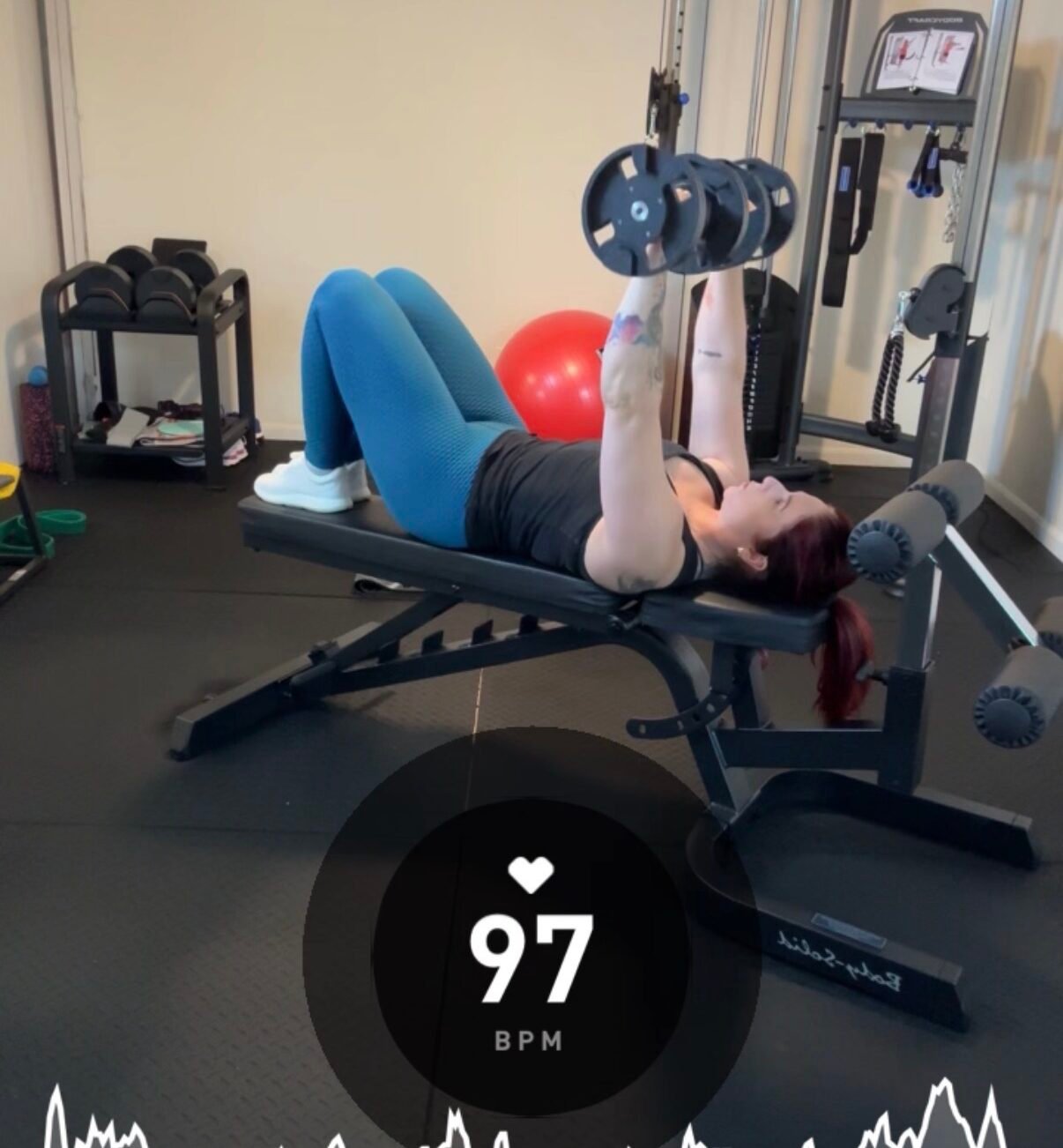
Some days a workout is the last thing you want to do. That feeling alone does not tell you whether you need rest or whether starting would help. Instead of making motivation the test, use a quick check to choose the right size of session.
First, find out what kind of day it is
- Illness, injury symptoms or unusual exhaustion: Rest or seek appropriate care. Missing a workout does not erase your progress.
- Ordinary tiredness or a crowded schedule: Reduce the session to a few important movements or an easy walk.
- Low interest but otherwise feeling well: Start with the warm-up and decide afterward whether to continue.
This is a decision tool, not a medical screening test. Listen to symptoms and the demands of your day. You do not have to “push through” a warning sign to prove consistency.
Make the smaller session count
A ten- or twenty-minute session can include a squat, hinge, push and pull at a comfortable effort. If you have more time, add sets. If you are training for a particular goal, protect the most useful part of the workout. The 2026 ACSM review finds benefits from a range of resistance-training approaches and emphasizes individualizing a plan so people can keep participating.
Build a system that needs less negotiation
Decide in advance where training fits, keep equipment accessible and write down a simple “short version” for busy days. A systematic review of goal-setting interventions found that goal-setting can support physical activity in adults who are not sufficiently active, although effects and study methods vary. A modest, specific goal—such as two strength sessions this week—is easier to act on than “be more disciplined.”
Enjoyment matters too. If every session feels like punishment, consider changing the activity, schedule or level of challenge. Dance, cycling, strength training and walking can all play different roles; you do not have to love every minute, but your plan should fit the life you actually lead.
The takeaway
On a low-motivation day, choose deliberately: rest, do the short version or complete the full plan. Consistency is built from many workable choices over time, not from winning a battle with yourself every day.