
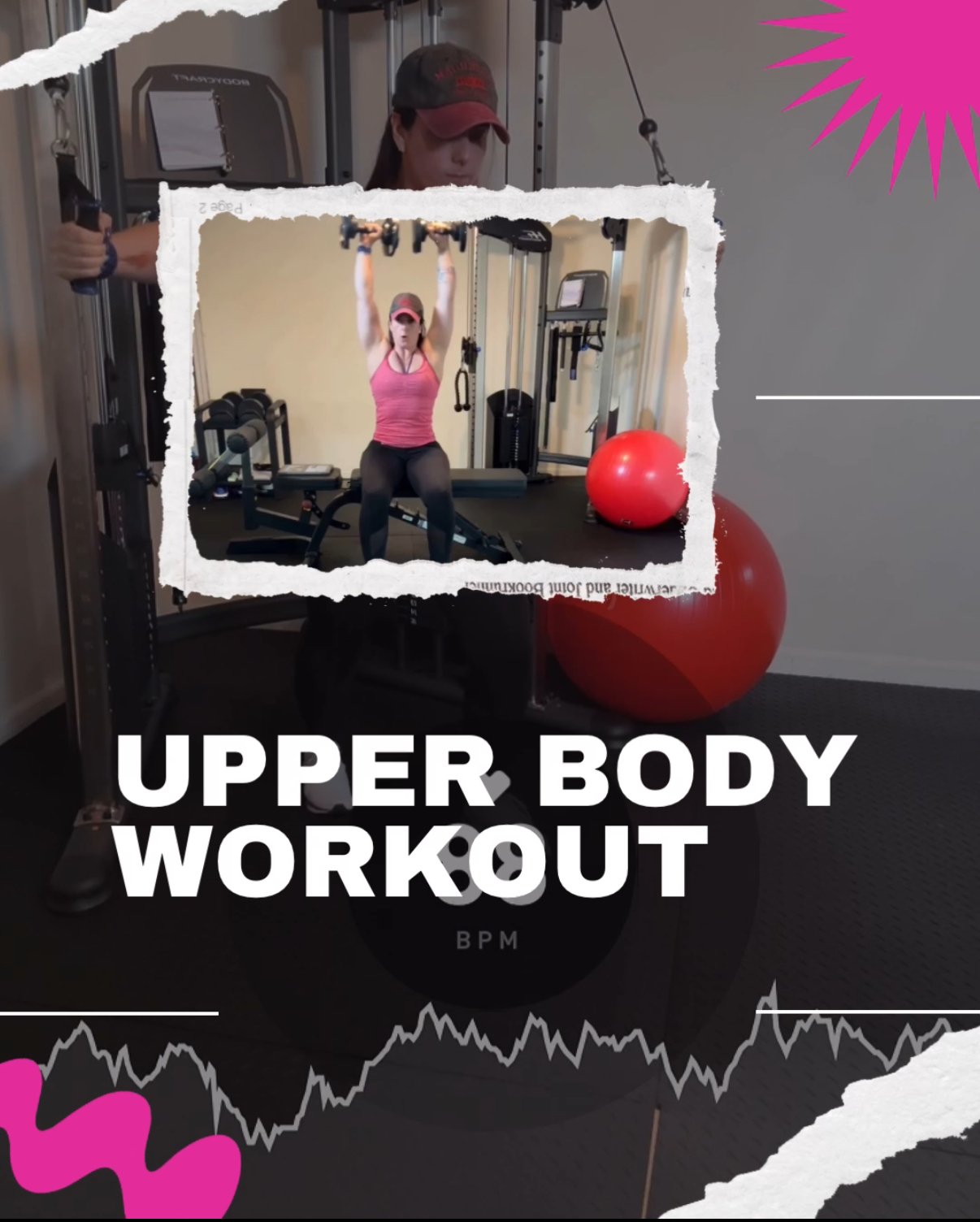
Aerial work asks your shoulders to control body weight while your hands grip an apparatus. That demand is different from a single gym exercise. A strong foundation includes pulling strength, pressing strength, tolerance for overhead positions and enough control to move between them.
What the research can tell us
Direct trials testing one ideal shoulder program for recreational aerialists are limited. In a prospective cohort of circus students, the shoulder was a frequently reported injury location. That finding describes a small student group; it does not mean any particular exercise prevents injury. The 2026 ACSM position stand provides stronger general evidence that progressive resistance training improves strength across multiple exercise types.
Four useful pieces of the foundation
- Rows and pulls: Train controlled pulling with a cable, band or dumbbell row. Progress toward assisted pull-ups or pulldowns if they suit your goals.
- Pushes: Include a push-up variation or press you can perform without shoulder or wrist pain. Balanced training does not require equal numbers of every exercise.
- Overhead control: Try light, controlled overhead reaching or pressing when you have comfortable range and adequate technique. Do not force a position you cannot control.
- Apparatus-specific holds: Build from foot-supported holds to short full hangs, then more demanding positions with an instructor who can assess the skill.
Begin with a couple of quality sets of each strength exercise on two days a week. Track repetitions, resistance and how the movement feels. Increase one demand at a time. Your aerial class already adds shoulder and grip work, so adjust gym volume around it.
Pain changes the plan
Fatigue after work is different from sharp pain, repeated catching, instability or symptoms that linger. If your shoulder hurts, a generic “activation” drill cannot diagnose the cause. Exercise can help many people with rotator cuff-related shoulder pain, but the useful program depends on the person; see this review of exercise therapy for the clinical evidence. Seek assessment for persistent symptoms, especially before returning to full body-weight hangs.
The takeaway
Build general pulling and pushing capacity, then practice the positions your apparatus demands. Good instruction, gradual loading and recovery make the work more sustainable than chasing the longest hang every session.