
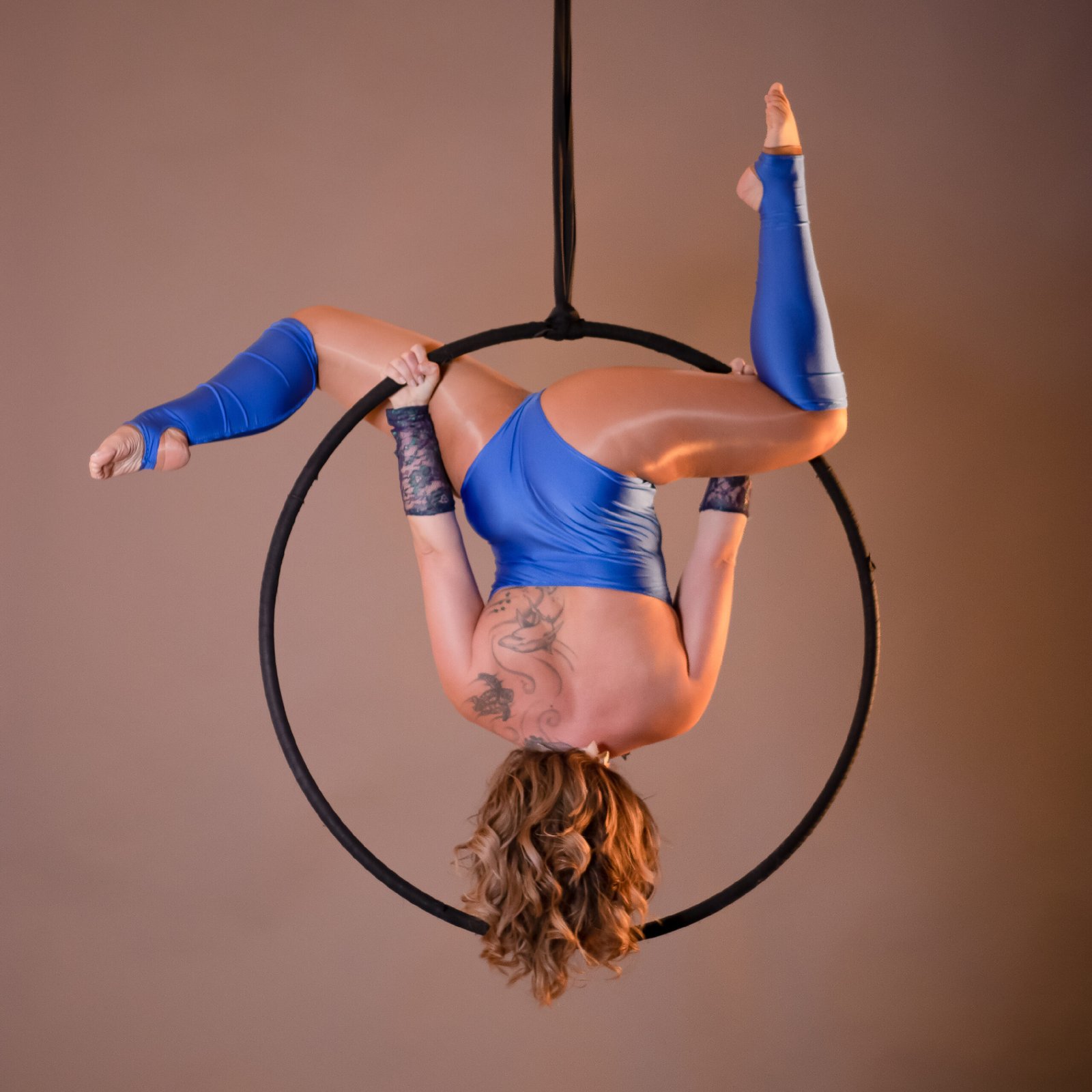
The last few seconds of a hang can feel surprisingly hard. Your back may still have another rep, but your fingers start to slip. I see this in aerial training, and the same weak link can show up during rows, carries and pull-ups. Grip deserves attention because it helps you do the work you care about. It is also a useful, if imperfect, marker of overall strength and health.
What grip strength can — and cannot — tell you
Researchers usually measure maximal handgrip strength with a handheld dynamometer: you squeeze a handle as hard as you can while following a consistent testing protocol. That number is different from how long you can hang from a bar. Hanging also depends on body weight, shoulder control, the bar and your technique.
In the PURE study, researchers followed 139,691 adults in 17 countries for a median of four years. For each 5 kg lower grip measurement, the adjusted risk of death from any cause was 16% higher, and the risk of cardiovascular death was 17% higher. A broader review of observational studies also found that stronger grip was associated with lower risk of mortality and disability.
These figures compare groups of people; they do not mean that adding 5 kg to your dynamometer score will lower your personal risk by 16%. Grip may reflect muscle strength, health conditions and other factors. It is one piece of information, not a diagnosis or a substitute for checking blood pressure, activity and other health measures.
Why your grip matters in the gym and on the apparatus
A row, pull-up or carry requires your hands to keep hold of the load while larger muscles do their job. In hoop and silks, you may need to support and reposition your body while gripping different surfaces. If your hands fatigue first, grip training can help you practice that specific demand. But slipping can also involve technique, shoulder endurance, an unsuitable apparatus or fatigue. A stronger squeeze alone will not fix every limitation.
Think of grip as part of your strength training, especially if you want to return to pulling or hanging after time away. The aim is enough capacity for the task, not a record-setting hang every session.
A simple grip progression
Choose one or two of these options after your main workout, two days per week to start. The times and distances below are practical starting points, not doses established by a clinical trial. Use an effort that feels challenging while you can still control the movement.
- Farmer’s carry: Hold a dumbbell in each hand, stand tall and walk for 20–30 seconds. Do two rounds. Start with weights you can carry without leaning or losing your hold. Build time first, then weight.
- Supported bar hold: Keep your feet on a box or the floor and hold a bar for 10–20 seconds, two rounds. Gradually put more weight through your hands. Progress to a full hang only when your shoulders and hands tolerate it.
- Specific practice: If you train aerial, add brief, controlled holds on the apparatus you use, with appropriate instruction and spotting. Fabric, hoop and a pull-up bar feel different; practice should match your goal.
Leave a day or two between harder grip sessions and adjust the total work if rows, pull-ups or aerial practice already load your hands heavily. If you can complete both rounds with control and no lingering pain, increase just one variable next time: a few seconds, a little weight or less foot support. Strength training as a whole matters too: the 2026 American College of Sports Medicine position stand finds that resistance training improves strength across a wide range of approaches and supports regular training at least twice weekly.
How to track progress without chasing a magic number
You can note the weight and distance of a carry or the duration and level of support of a hold. Compare the same exercise under similar conditions every few weeks. If you use a dynamometer, follow the same hand position and testing method each time; Southampton’s measurement procedure illustrates why standardization matters. A hang time is useful for tracking a hang, but it is not interchangeable with a dynamometer reading or a medical risk score.
Muscle effort and mild fatigue are expected. Sharp pain, numbness, worsening wrist pain or symptoms that persist into everyday tasks are reasons to scale back and seek individualized advice. If you have a recent hand or wrist injury or surgery, follow your clinician’s return-to-loading plan before trying hangs or heavy carries.
The takeaway
Grip is useful twice over: it helps you hold on during the activities you enjoy, and a measured squeeze can offer a clue about broader physical health. Train it gradually alongside full-body strength work, and judge progress by what your hands can do comfortably and consistently.
Sources
- Leong DP et al. Prognostic value of grip strength: findings from the PURE study. The Lancet. 2015.
- Soysal P et al. Handgrip strength and health outcomes: umbrella review of systematic reviews. 2020.
- American College of Sports Medicine. Resistance Training Prescription for Muscle Function, Hypertrophy, and Physical Performance in Healthy Adults. 2026.
- University Hospital Southampton. Procedure for measuring grip strength using the Jamar dynamometer.