
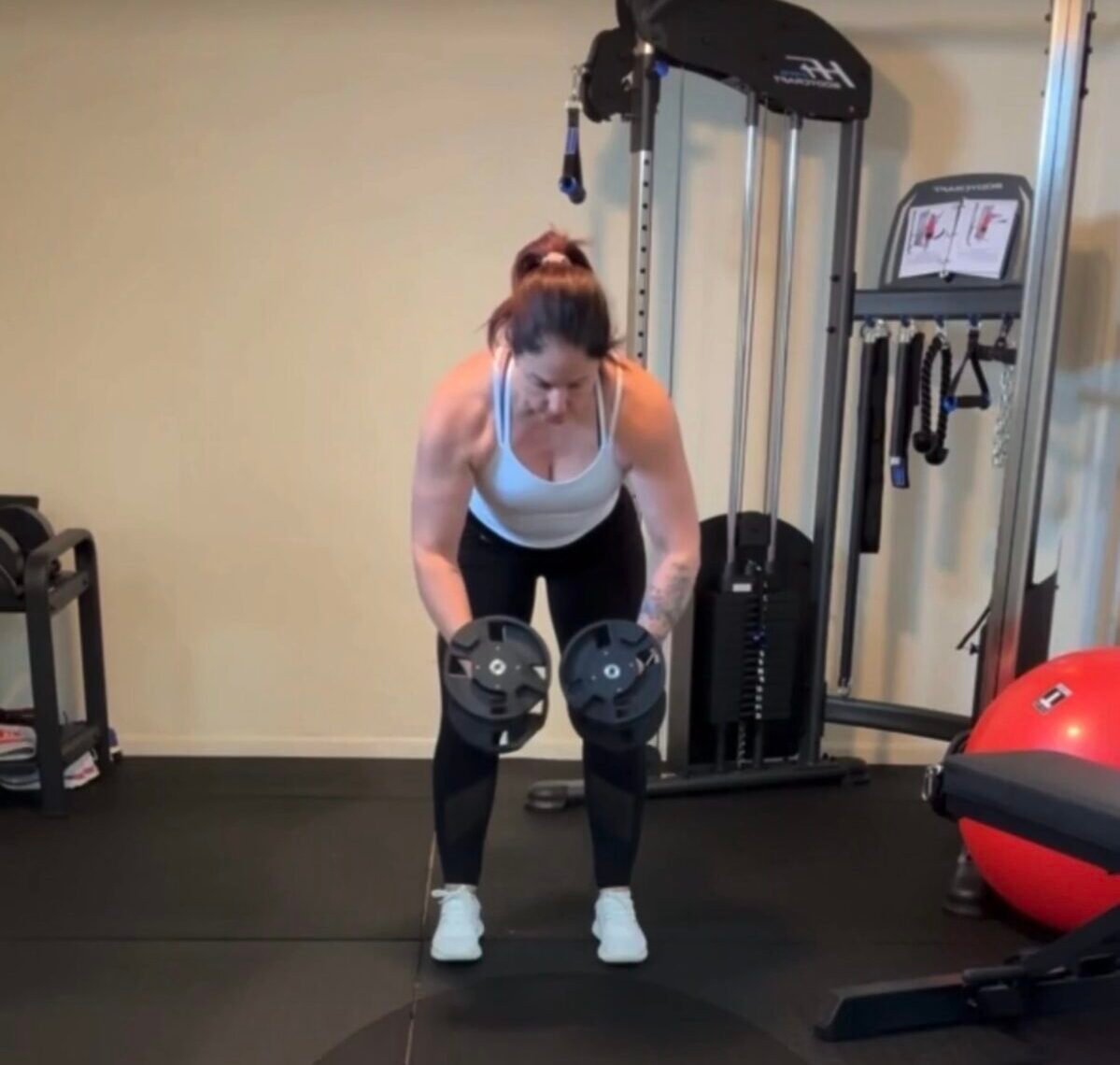
A workout that felt manageable last month may suddenly feel harder. Food intake is one possible reason, but it is not the only one. Sleep, stress, illness, a change in training load and medical issues can all affect performance. Start by looking for a pattern rather than diagnosing yourself from one difficult session.
Energy first, then details
Your body needs enough total energy to support both daily life and exercise. The ISSN position stand on nutrition for female athletes places adequate energy intake first among its priorities. The International Olympic Committee consensus on Relative Energy Deficiency in Sport describes health and performance problems that can develop when energy availability is persistently too low in athletes. That clinical syndrome cannot be diagnosed from feeling tired after a workout.
If you regularly skip meals, train for long periods on little food, or have increased training without changing what you eat, make your day of meals more regular. A carbohydrate-containing meal or snack before a demanding session may help you feel prepared; after training, a normal meal with protein and carbohydrate can support recovery. Exact timing matters less for most recreational exercisers than eating adequately across the day.
A practical training-day check
- Did you eat regular meals today, or did work and errands replace them?
- Was there a useful source of carbohydrate around a long or hard session, such as fruit, oats, rice, bread or potatoes?
- Did meals contain protein from foods you enjoy, such as eggs, yogurt, beans, tofu, fish or poultry?
- Did you drink fluids, especially during hot weather or long sessions?
- Has training volume risen while sleep, rest or food stayed the same?
The ISSN nutrient timing position stand notes that total daily protein intake and the context of the workout matter. You do not need a strict clock or a supplement ritual. Build meals that are satisfying and fit your schedule.
When to look beyond food
Ongoing fatigue, dizziness, frequent illness, unintentional weight change, persistent soreness or a marked fall in performance deserve a conversation with a healthcare professional. Iron deficiency, sleep problems and other conditions can look like poor recovery. A registered dietitian who works with active adults can help if you are unsure whether your intake matches your training.
The takeaway
Fueling is part of a training plan. If sessions are getting harder, review food, sleep, workload and health together. Aim for steady meals and enough energy before trying to solve everything with a new supplement or a tougher program.